Erosion Control After Land Clearing: Protect Your Soil
Clearing Exposes Your Soil
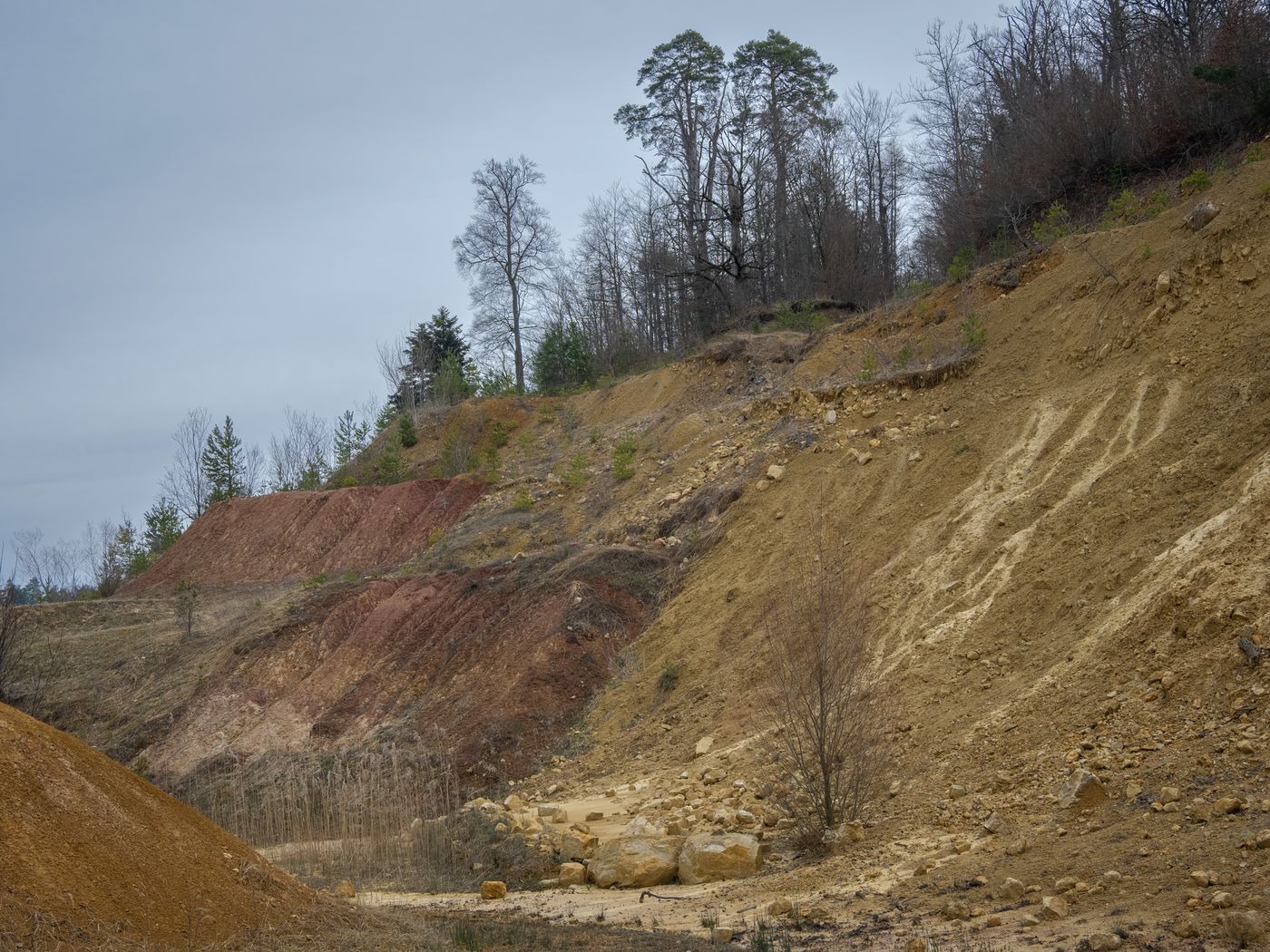
Every land clearing project has the same hidden consequence: the vegetation that held the soil in place is gone. Tree roots, grass, and ground cover were doing a full-time job keeping topsoil where it belongs. Once they are removed, rain and wind take over, and bare soil starts moving. On the Gulf Coast, where storms dump inches of rain at a time, that movement can be fast and destructive.
Why the Gulf Coast Is Especially Vulnerable
Few regions test erosion control like the Gulf Coast. Summer thunderstorms and hurricane season deliver intense rainfall in short bursts, and sandy coastal soils wash away faster than heavy clay. A cleared lot that sat fine through a dry week can lose inches of topsoil in a single afternoon storm. Add the flat, low terrain common around Foley, Fairhope, and Pensacola, where water spreads instead of draining fast, and the case for quick stabilization is clear.
The Risks of Uncontrolled Erosion
- Topsoil loss. The fertile upper layer of soil washes away, leaving less productive ground for the lawn, garden, or future build.
- Gullies and ruts. Flowing water cuts channels into bare ground, which get deeper with every rain and make the land uneven and hard to use.
- Sediment in waterways. Washed-away soil ends up in ditches, creeks, and storm drains, where it pollutes local waterways and can cause problems for neighbors.
- Foundation and structure risks. Erosion near a home or outbuilding can undermine the ground they sit on.
What Happens If You Do Nothing
The first storm after clearing is usually the one that does the damage. Rain hits bare soil, topsoil starts moving, and within a season the damage compounds: ruts deepen into gullies, sediment spreads into ditches and yards, and the ground becomes harder to build on, harder to grow on, and harder to sell. The cost of fixing erosion after it starts is many times the cost of preventing it, which is why every clearing project should include a stabilization plan from day one. And if your land is already bare, it is never too late: every day of exposed soil is a day of risk, so the sooner the ground cover goes in, the less you lose.The cost of fixing erosion after it starts is many times the cost of preventing it, which is why every clearing project should include a stabilization plan from day one.
Timing Works in Your Favor
Fall is actually one of the best times to stabilize cleared land on the Gulf Coast. The soil is still warm, which helps seed germinate, and the cooler air and winter rains give young grass time to establish before the heavy spring storms. A quick cover of annual ryegrass holds the soil through winter, while bermuda grass establishes for the long term. In other words, clear in the fall, seed right away, and the winter will do most of the work for you.
Erosion Control Methods That Work
- Seed and mulch quickly. The single most effective step is establishing ground cover. Grass or a fast-growing cover crop should be seeded within about two weeks of clearing, and a layer of straw or hay mulch protects the seed and the soil while it grows (Ask Extension: erosion control guidance).
- Hydroseeding. A mix of seed, mulch, and fertilizer sprayed onto the soil establishes cover fast on larger areas and slopes.
- Silt fences. On slopes and along property lines, silt fence barriers catch sediment before it leaves your property.
- Erosion blankets. Biodegradable blankets on steep areas hold the soil while grass establishes.
- Drainage and grading. Directing water away from vulnerable areas and slowing it down with swales or ditches reduces the force that causes erosion.
Questions to Ask Your Contractor
- Does the clearing quote include seeding and mulch, or is that a separate line item?
- What will be done to protect slopes and property lines during the job?
- How quickly will the ground cover be established after clearing?
- Will drainage be graded so water moves away from structures and boundaries?
- Do I need any permits for this amount of land disturbance in my county?
Contractors who answer these questions clearly are the ones who have done the job before. A clearing project that ends with bare soil and no plan is not finished; it is a problem waiting for rain. The right contractor treats stabilization as part of the job, not an upsell.
Contractors who answer these questions clearly are the ones who have done the job before.Plan Erosion Control Before You Clear
The best time to think about erosion control is before the first tree falls. A clearing project should include a plan for the exposed soil: where the water will go, how the soil will be stabilized, and how fast the ground cover will be established. On larger projects, many states require permits and erosion control plans for land disturbance, so working with a contractor who handles this as part of the job protects you on every front.
Clear It Right, Stabilize It Right
Coastal Mulching and Clearing handles the whole job: clearing the land, and then grading and stabilizing it so your soil stays put. If you have already cleared land that is washing away, we can fix that too. Call (251) 299-0620 or request a quote online, Monday through Saturday, 7:00 AM to 7:00 PM. We serve Baldwin, Mobile, Escambia, and Santa Rosa counties, and we can pair your clearing job with the grading and stabilization that keeps your soil where it belongs.
Call (251) 299-0620 or request a quote online, Monday through Saturday, 7:00 AM to 7:00 PM. We serve Baldwin, Mobile, Escambia, and Santa Rosa counties.