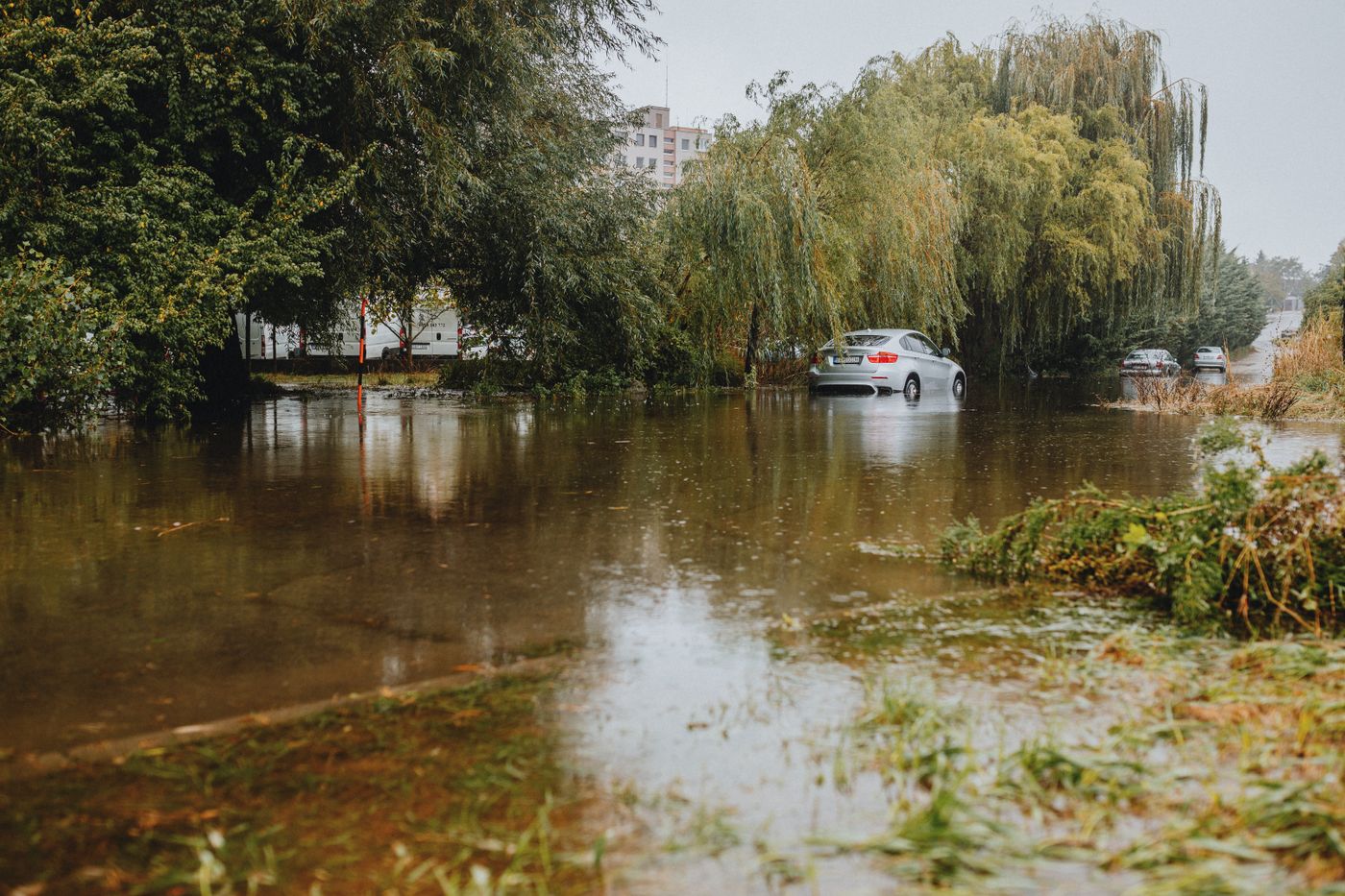
Protecting Your Septic System During Hurricane Season
Why Gulf Coast Septic Systems Are Especially Vulnerable
Coastal soil is a double-edged sword for septic systems. Sandy soils drain quickly, which is good for a drain field, but the water table is often high near the coast, and a high water table means the ground has little room to absorb floodwater. Add storm surge and days of rain, and the system is operating in conditions it was never designed for. That is why preparation matters more here than almost anywhere else in the country.
Hurricanes and Septic Systems
When a hurricane puts feet of rain on the Gulf Coast, septic systems take a beating. Flooded drain fields cannot absorb anything, tanks can shift in saturated soil, and stormwater can push silt and debris into the system. The CDC warns that a septic tank can collapse or float out of position during heavy rains (CDC: Guidelines for Septic Systems During Floods). Most systems survive if homeowners follow a few rules before, during, and after the storm.
Before the Storm
- Seal the tank. Make sure the lid and risers are sealed so stormwater cannot pour into the tank. An unsealed lid is how floods fill tanks with debris.
- Keep the system at least half full. The CDC advises keeping the tank at least half full before a flood, because an empty or partially empty tank is more likely to float out of the ground.
- Reduce water use. In the days before landfall, spread out laundry and showers so the system is not working at capacity when the rain arrives.
- Know where your system is. Mark the tank and drain field so you can check them after the storm, and so a technician can find them fast if needed.
- Keep the area clear. Trim overgrowth around the tank and field so the system can be inspected quickly after the storm passes.
- Know where your system is. Mark the tank and drain field so you can check them after the storm, and so a technician can find them fast if needed.
If Your System Floods Completely
If floodwater covered the tank or entered it, treat the system carefully until a professional checks it. Do not open the tank yourself while the ground is saturated, and do not pump it until the water table drops; both actions can let mud in or cause the tank to shift.
If floodwater covered the tank or entered it, treat the system carefully until a professional checks it.
If floodwater covered the tank or entered it, treat the system carefully until a professional checks it. Do not use the system until the water table drops and the yard begins to dry. Once conditions allow, have the tank inspected and cleaned of silt and debris before relying on it. A flooded system that is used too early can push solids into the drain field and turn a recoverable situation into a costly replacement.
During and Right After the Storm
- If sewage backs up indoors, stop using water. No flushing, no showers, no laundry. The system needs to drain before you add more.
- Stay out of standing water over the drain field. Floodwater may contain sewage and other contaminants.
- Do not pump a flooded tank. The EPA warns that pumping a tank out of saturated soil can cause it to float out of the ground and damage the pipes (EPA: Septic Systems, What to Do After the Flood). Wait for the water table to drop.
- Note if water entered the tank. Tanks can fill with silt and debris during floods and will need professional cleaning.
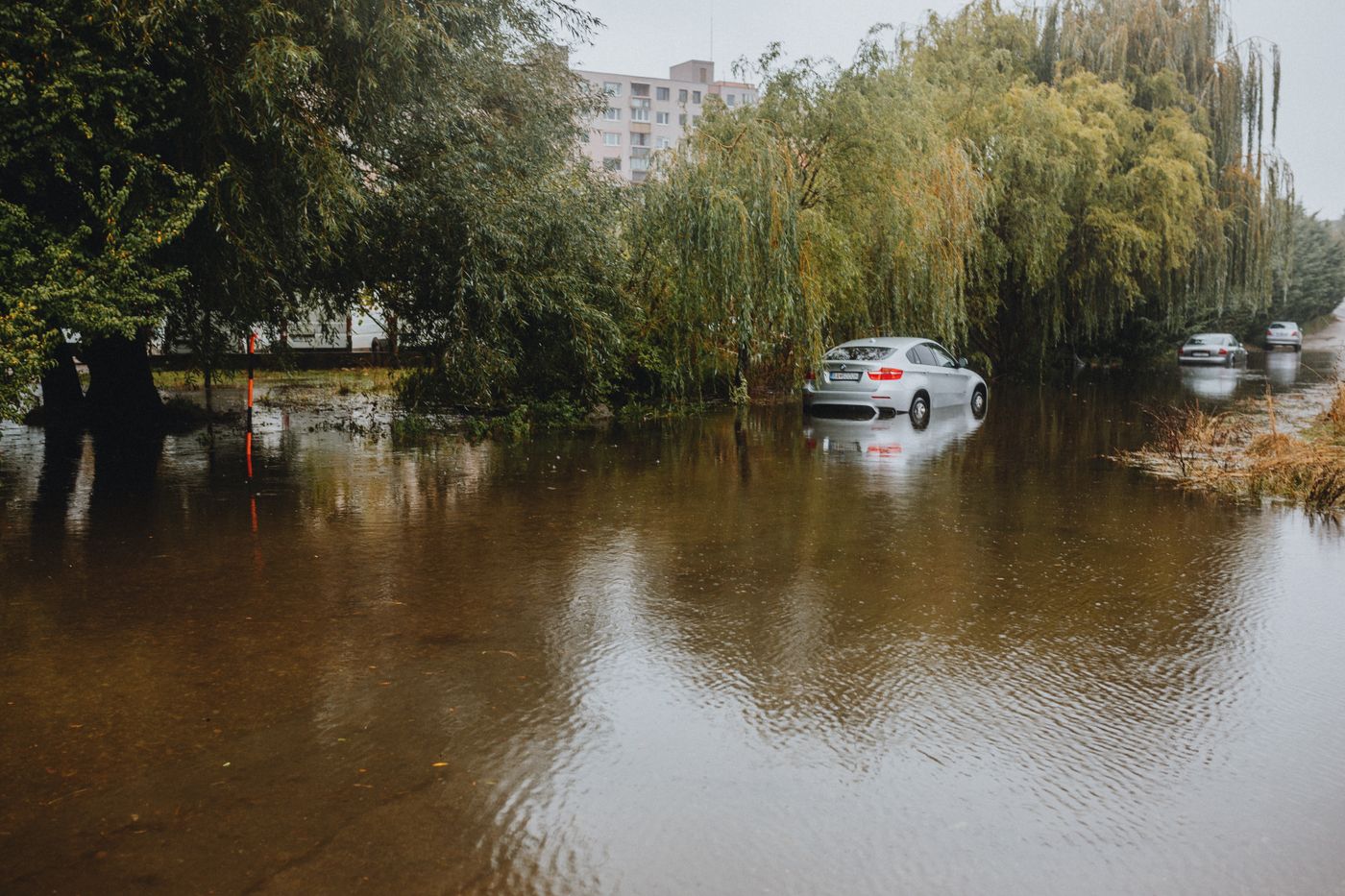
After the Water Recedes
Once the yard is dry enough to walk on, have the system inspected before relying on it fully. The EPA recommends professional inspection if you suspect damage, and pumping once the ground is no longer saturated to remove silt and debris. A camera inspection can confirm the lines are clear. Watch for these warning signs in the weeks after a storm:
- Slow drains or gurgling sounds
- Sewage odors inside or outside the home
- Spongy, wet, or unusually green areas over the drain field
- Toilets that back up when other fixtures are used
Some problems take weeks to show up. A system that seemed fine in October can fail in November as silt settles and clogs the drain field. If your system was flooded, schedule the inspection even if everything appears to work.
- Toilets that back up when other fixtures are used
Prepare Now for Next Season
When the season ends, the work is not over. A post-storm inspection tells you what your system went through, and regular maintenance keeps it ready for the next one. Keep the tank on a pumping schedule, fix cracked lids and risers promptly, and keep the drain field clear of vehicles and heavy equipment. A well-maintained system is the one that survives the storm.
Coastal's Septic Services
Coastal Mulching and Clearing provides septic inspections, installation, drain field replacement, and drainage work across South Alabama and North Florida. If your system went through a flood, or if you simply want it checked before the next storm, call (251) 299-0620 or request a quote online. We will inspect the tank, camera the lines, and give you a straight answer about what the system needs.If your system went through a flood, or if you simply want it checked before the next storm, call (251) 299-0620 or request a quote online. We are available Monday through Saturday, 7:00 AM to 7:00 PM.
