Serving South Alabama & North Florida: Baldwin, Mobile, Escambia, Santa Rosa Counties
Best Septic Installer Near Mobile, AL | How to Choose the Right Company
Septic Installation in Mobile, AL: What Homeowners Need to Know First
If you are reading this, there is a good chance you are building a home, replacing a failed system, or moving to a property that needs a new septic layout. You might be feeling a mix of stress and confusion. That is normal. Septic work is not something most people deal with often. It affects your budget, your timeline, and your peace of mind. You want it done right the first time.
Here is the good news. When you understand a few key steps, you can make smart choices and avoid surprise costs. In Mobile County and the Gulf Coast, local site conditions matter. The right installer will guide you through soils, permits, inspections, and the exact system your lot needs. Our goal in this guide is to help you see the full picture and feel confident as you choose a partner.

Mobile County Soil and Water Table: Why Local Conditions Matter
Our area has sandy pockets, clay lenses, and places with a seasonally high water table. Some lots drain well. Others hold water. After heavy rain, you may see standing water in low spots. This all affects how a septic system handles wastewater.
Key local factors:
Permeability: Sand perks fast. Clay perks slow. Mixed soils can be tricky.
High water table: If the seasonal water level is close to the surface, you may need a raised or engineered drain field.
Flood zones and stormwater: Runoff design, swales, and lot grading can protect your system.
A good installer does not just look at a soil map. They walk the site, check drainage patterns, and plan for wet seasons, not just dry weeks.
Perc Tests and Permits in Mobile, AL: Step-by-Step Basics
You cannot guess your way to a septic design. You need a soil evaluation and a percolation test. Here is the simple flow:
Site visit: Confirm house location, driveway, well location if any, and setbacks.
Soil evaluation and perc test: A licensed pro digs or bores test holes to check soil types and absorption rate.
Design: Choose system type and size based on test results and bedroom count.
Permit application: Submit design to the local health department for review.
Approval: The permit outlines system specs and inspection steps.
Installation and inspections: The installer follows the approved plan and schedules inspections as required.
Final approval: Documentation confirms the system meets code.
Your installer should manage the paperwork, answer agency questions, and keep you updated so you are never left wondering what is next.
Septic System Types for Coastal Alabama: Conventional vs. Advanced
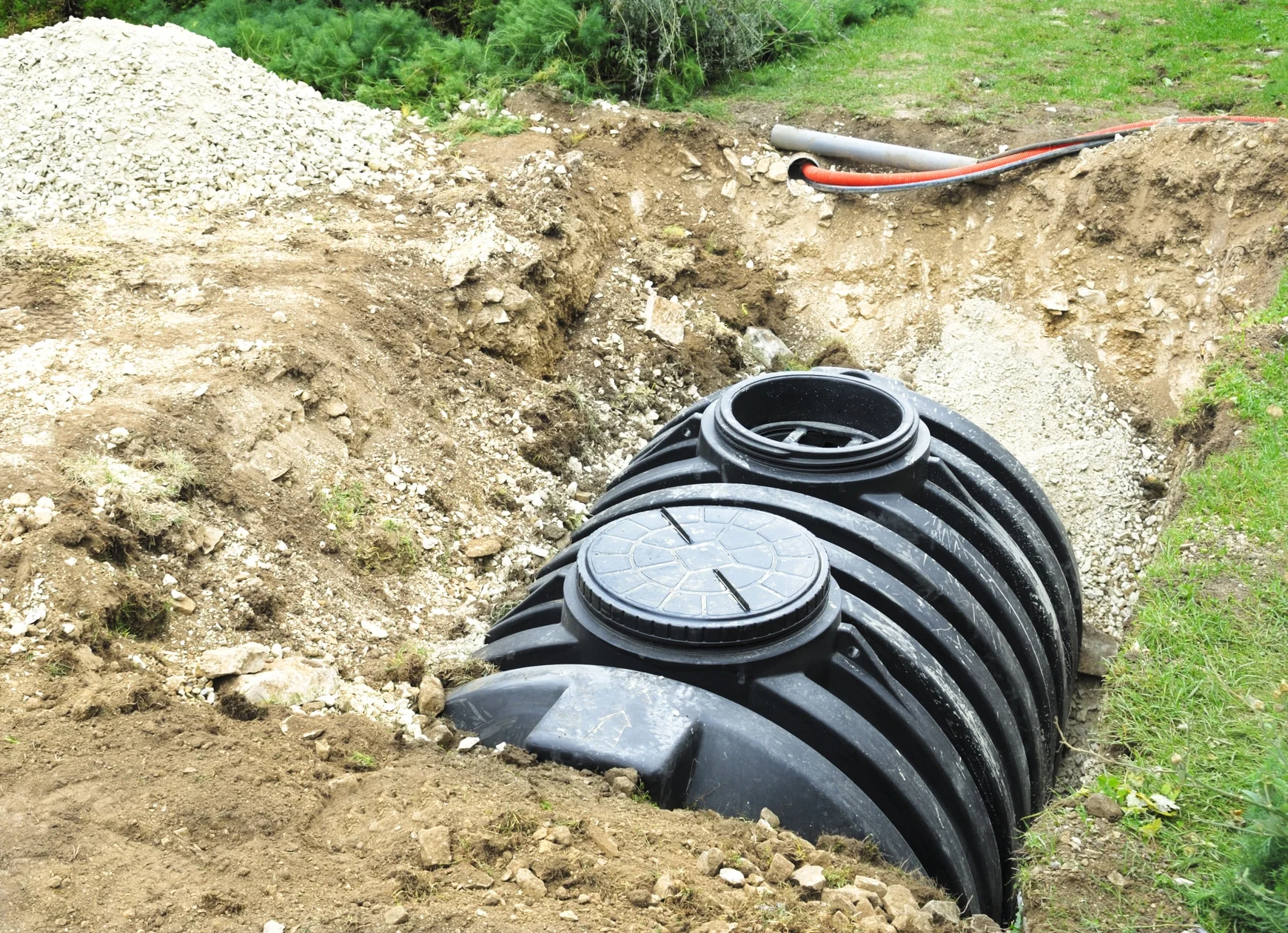
Conventional systems work well on lots with suitable soils and enough area. They typically use a concrete or plastic tank and a gravity-fed drain field.
Advanced treatment systems are used when soils are poor, space is limited, or the water table is high. These systems add treatment units, pumps, chambers, or aerobic components to improve effluent quality and protect groundwater.
Which is right for you?
Good soils and space available: Conventional may be best.
Tight lot, slow soils, or high water table: Advanced may be the better fit.
Shoreline or sensitive areas: Expect more controls and possibly advanced treatment.
How to Compare Septic Installers in Mobile, AL
Do not compare one line totals. Compare the scope. Ask each installer to list exactly what is included.
Look for:
Soil and permit handling
Tank type, size, and brand
Drain field type and square footage
Pumps, alarms, and control panels if needed
Electrical runs and tie-ins
Rock, sand, and fabric quantities
Restoration, grading, and seeding
Haul-off, trench safety, and utility locates
When quotes show the same parts and steps, you can make a fair choice based on value, not just price.
Septic Installation Cost in Mobile, AL: What Is Included and What Is Not
Every site is different, so prices vary. Costs are driven by soil conditions, system type, access, pump needs, and restoration.
Common items included:
Tank, lines, chambers or rock, distribution boxes
Excavation, bedding, and backfill
Required inspections during install
Final grading around the work area
Common items not always included:
Extended electrical lines and dedicated circuits
Tree clearing, stump removal, or major lot grading
Driveway cuts and repairs
Extra sand or rock if soils are worse than expected
Long pipe runs from the house to the tank
Landscaping and sod beyond basic stabilization
Ask for a line-item proposal. It helps you plan and prevents “I did not know that” moments.
Bids and Contracts: Red Flags to Spot Before You Sign
Watch out for:
Vague quotes with no materials listed
No mention of permits or inspections
No tank brand or specifications
No plan for wet weather or water table issues
Pressure to pay large deposits before permits
No proof of license and insurance
A clear contract protects both you and your installer. It should list materials, scope, timeline, and payment schedule tied to milestones.
Timeline to Install a Septic System in Mobile County: From Quote to Final Approval
A simple project may take a few weeks. More complex sites may take longer. Here is a common rhythm:
Week 1 to 2: Site visit, soil testing, and design
Week 2 to 4: Permit review and approval
Week 3 to 6: Installation window, depending on weather and schedules
Final week: Inspection, backfill, and finish grading
Rainy periods can slow things down. A good installer will plan for weather and keep you updated.
Warranties, Maintenance, and Pumping: Protecting Your New System
Your septic system is like a car. It needs routine care.
Tank material warranty: Often provided by the tank maker
Workmanship warranty: Provided by the installer for a set time
Equipment warranty: Pumps and control panels may have separate coverage
Maintenance: Pumping every 3 to 5 years for most homes, sooner if you have a large family or a garbage disposal
Do and do not:
Do spread out laundry days and avoid strong chemicals
Do keep vehicles off the drain field
Do direct roof and yard water away from the system
Do not flush wipes, even if the package says “flushable”
Do not plant deep-rooted trees over the lines
Common Septic Problems Near the Gulf Coast and How to Avoid Them
Soggy drain fields after storms
Fix: Drainage planning, proper elevation, and materials that match the permit.Pump failures in high water table zones
Fix: Quality pumps, alarms, and easy access for service.Root intrusion from trees and shrubs
Fix: Safe planting zones and root barriers when needed.Tank settlement on unstable soil
Fix: Correct bedding, compaction, and inspection before backfill.Grease and solids overloading
Fix: Educate the household. Schedule pumping. Use effluent filters if recommended.
Concrete vs. Plastic Tanks in Alabama: Which Is Best for Your Property
Concrete tanks
Pros: Heavy, stable, long life when installed and sealed right.
Cons: Heavier to set. Needs proper equipment access.
Plastic tanks
Pros: Lightweight, easier to move on tight sites, no rust.
Cons: Must be bedded and backfilled correctly to prevent float or deform, especially with high water tables.
The right choice depends on access, groundwater, soil support, and the design. Your installer should explain the trade-offs and document the choice in the permit package.
Gravity vs. Pumped Systems: Choosing the Right Fit for Your Site
Gravity systems need elevation drop to move effluent. They are simpler and usually cost less to run.
Pumped systems use a pump to move effluent when the drain field is higher than the tank or when advanced treatment is required.
Ask your installer to show the elevation profile. A quick grade check often settles the question fast.
Insurance, Licensing, and Safety: What Your Installer Should Prove
Do not be shy about asking for paperwork. A professional will be glad to provide it.
Current license to install septic systems in Alabama
General liability and workers’ comp insurance
Safety plan for trenching, shoring, and utility locates
Proof of manufacturer training for advanced treatment units, if used
This protects your family, your property, and your lender.
Questions to Ask Any Septic Installer in Mobile, AL
Use this list when you meet with installers:
What did the perc test show and how does it shape the design?
Which system type do you recommend for my site and why?
What is included in your bid and what is not?
What tank material will you use and what is the warranty?
Will my system need a pump or alarm panel?
How will you protect my system from stormwater and high water tables?
Who handles permits and inspections?
How long will the job take, start to finish?
What is your workmanship warranty?
What maintenance should I plan for in the first year and beyond?
Print this, take notes, and keep all bids and drawings together in one folder.
Why Coastal Mulching & Clearing, LLC Customizes Every Septic Project
No two lots are the same. Your system should fit your soil, your grade, and your daily life. We design for the long haul. That means the right materials, a clean layout, and a plan for wet weather. We do this work every day across Baldwin, Mobile, Escambia, and Santa Rosa Counties, and we treat every site like it is our own yard.
Customization is not about adding cost. It is about removing risk and building something that works like it should, year after year.
Next Steps: Get a Site Visit and a Clear, Line-Item Quote
If you are ready to move forward, here is a simple plan:
Schedule a site walk with a licensed installer.
Complete soil testing and confirm the system type.
Review a line-item proposal that matches the permit design.
Set a timeline with weather allowances and clear milestones.
Keep a file with permits, inspection notes, and warranties.
With these steps, you will know what you are paying for and why it matters.
FAQ: Septic Installation in Mobile, AL
How long does a typical install take once permits are ready?
Most standard installs finish within a week, depending on weather and inspections.
What size tank do I need?
Tank size is based on bedroom count and code requirements. We will explain the math and show you the plan.
Do I need an advanced system?
Only if your soils, space, or water table require it. We will only recommend it when the site calls for it.
How often should I pump the tank?
For most homes, every 3 to 5 years. Large families or heavy use may need more frequent pumping.
Can I plant over the drain field?
Shallow-rooted grass is fine. Avoid trees and deep-rooted shrubs that can invade the lines.
Choosing the best septic installer in Mobile, AL starts with understanding your site and asking the right questions. When you compare clear, line-item bids and look at how each installer plans for soils and water, the right choice becomes obvious. If you want help sorting options or need a second set of eyes on a quote, we are here to help and happy to walk your site with you.
